
Words in italic type have been added for clarity. They are not found in the original Hebrew or Aramaic.
II Kings 7
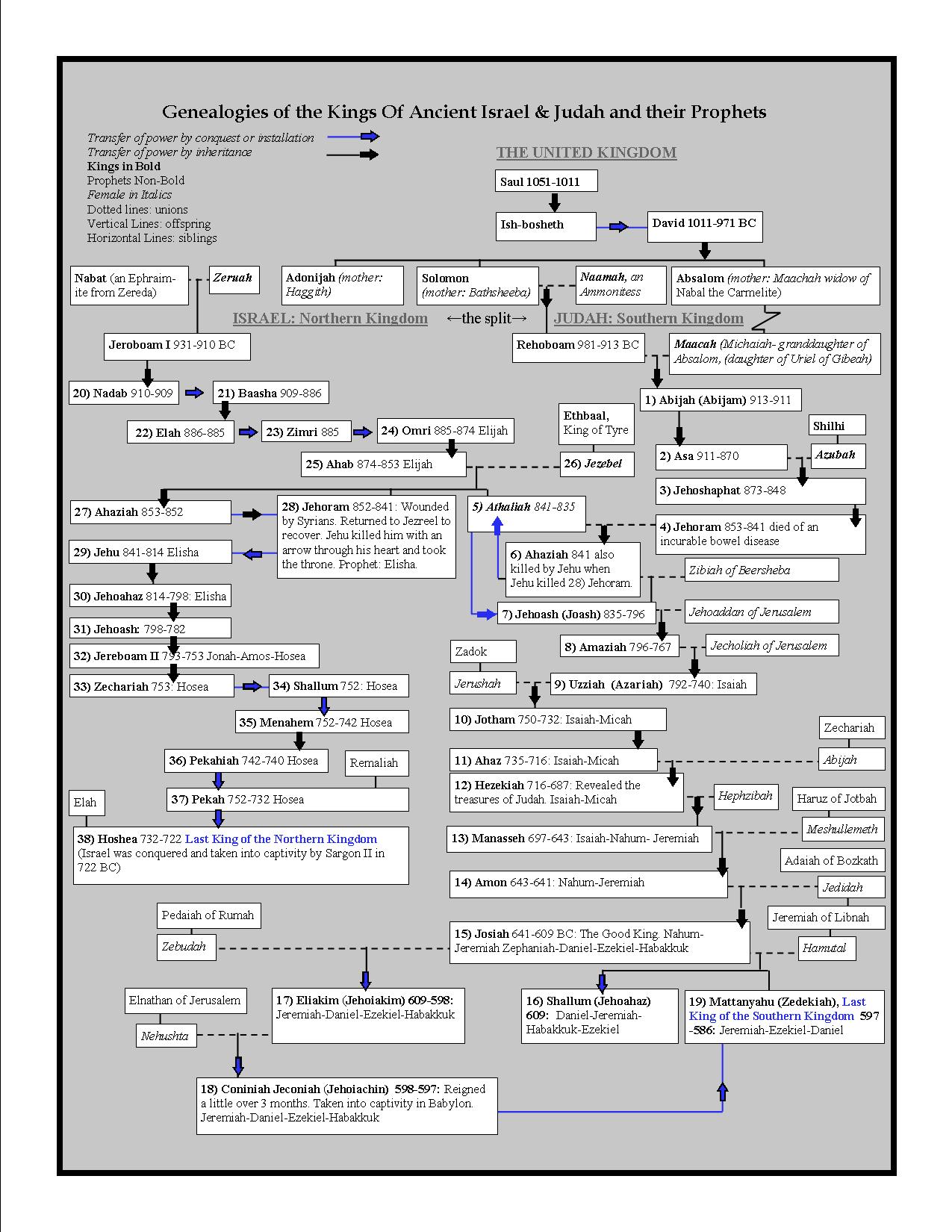
- Elisha 851-~798 BC was a prophet and a wonder-worker of the Kingdom of Israel who was active during the reigns of Joram (Jehoram), Jehu, Jehoahaz, and Jehoash (Joash).

- In this chapter, Jehoram #28, son of Ahab (#25), is the current king of Israel.
The Syrians Flee
II Kings 7:1 Then Elisha said, “Hear the word of the Lord (Yᵊhōvâ). Thus says the Lord (Yᵊhōvâ): ‘Tomorrow about this time a seah (A third of an ephah, or about 8 gallons) of fine flour shall be sold for a shekel, and two seahs of barley for a shekel, at the gate of Samaria.’ ”
II Kings 7:2 So an officer on whose hand the king leaned answered the man of God (‘ĕlōhîm) and said, “Look, if the Lord (Yᵊhōvâ) would make windows in heaven, could this thing be?”
And he said, “In fact, you shall see it with your eyes, but you shall not eat of it.”
The Syrians Flee
II Kings 7:3 Now there were four leprous men at the entrance of the gate; and they said to one another, “Why are we sitting here until we die?
II Kings 7:4 If we say, ‘We will enter the city,’ the famine is in the city, and we shall die there. And if we sit here, we die also. Now therefore, come, let us surrender to the army of the Syrians. If they keep us alive, we shall live; and if they kill us, we shall only die.”
II Kings 7:5 And they rose at twilight to go to the camp of the Syrians; and when they had come to the outskirts of the Syrian camp, to their surprise no one was there.
- Twilight is at sunset when the sun begins to go down.
- On a Jewish calendar a new day begins at twilight, unlike our calendars where a new day begins at midnight.
II Kings 7:6 For the Lord (‘ăḏōnāy) had caused the army of the Syrians to hear the noise of chariots and the noise of horses—the noise of a great army; so they said to one another, “Look, the king of Israel has hired against us the kings of the Hittites and the kings of the Egyptians to attack us!”
II Kings 7:7 Therefore they arose and fled at twilight, and left the camp intact—their tents, their horses, and their donkeys—and they fled for their lives.
II Kings 7:8 And when these lepers came to the outskirts of the camp, they went into one tent and ate and drank, and carried from it silver and gold and clothing, and went and hid them; then they came back and entered another tent, and carried some from there also, and went and hid it.
- It makes one wonder these buried items were ever dug up again. (Perhaps someday an archeologist or a shepherd boy might stumble across them?)
II Kings 7:9 Then they said to one another, “We are not doing right. This day is a day of good news, and we remain silent. If we wait until morning light, some punishment (Calamity) will come upon us. Now therefore, come, let us go and tell the king’s (Jehoram‘s) household.”
- Sins are hidden in the darkness.
- The people were starving. Some may not have lived until morning.
II Kings 7:10 So they went and called to the gatekeepers of the city, and told them, saying, “We went to the Syrian camp, and surprisingly no one was there, not a human sound—only horses and donkeys tied, and the tents intact.”
II Kings 7:11 And the gatekeepers called out, and they told it to the king’s household inside.
II Kings 7:12 So the king arose in the night and said to his servants, “Let me now tell you what the Syrians have done to us. They know that we are hungry; therefore they have gone out of the camp to hide (Hide themselves in ambush) themselves in the field, saying, ‘When they come out of the city, we shall catch them alive, and get into the city.’ ”
II Kings 7:13 And one of his servants answered and said, “Please, let several men take five of the remaining horses which are left in the city (assuming the others were eaten). Look, they may either become like all the multitude of Israel that are left in it; or indeed, I say, they may become like all the multitude of Israel left from those who are consumed; so let us send them and see.”
II Kings 7:14 Therefore they took two chariots with horses; and the king (Jehoram) sent them in the direction of the Syrian army, saying, “Go and see.”
II Kings 7:15 And they went after them to the Jordan; and indeed all the road was full of garments and weapons which the Syrians had thrown away in their haste. So the messengers returned and told the king.
II Kings 7:16 Then the people went out and plundered the tents of the Syrians. So a seah of fine flour was sold for a shekel, and two seahs of barley for a shekel, according to the word of the Lord (Yᵊhōvâ).
II Kings 7:17 Now the king had appointed the officer on whose hand he leaned to have charge of the gate. But the people trampled him in the gate, and he died, just as the man of God (‘ĕlōhîm) had said, who spoke when the king came down to him.
II Kings 7:18 So it happened just as the man of God (‘ĕlōhîm) had spoken to the king, saying, “Two seahs of barley for a shekel, and a seah of fine flour for a shekel, shall be sold tomorrow about this time in the gate of Samaria.”
II Kings 7:19 Then that officer had answered the man of God (‘ĕlōhîm), and said, “Now look, if the Lord (Yᵊhōvâ) would make windows in heaven, could such a thing be?”
And he had said, “In fact, you shall see it with your eyes, but you shall not eat of it.” 20 And so it happened to him, for the people trampled him in the gate, and he died.
 Quantum Study Bible