
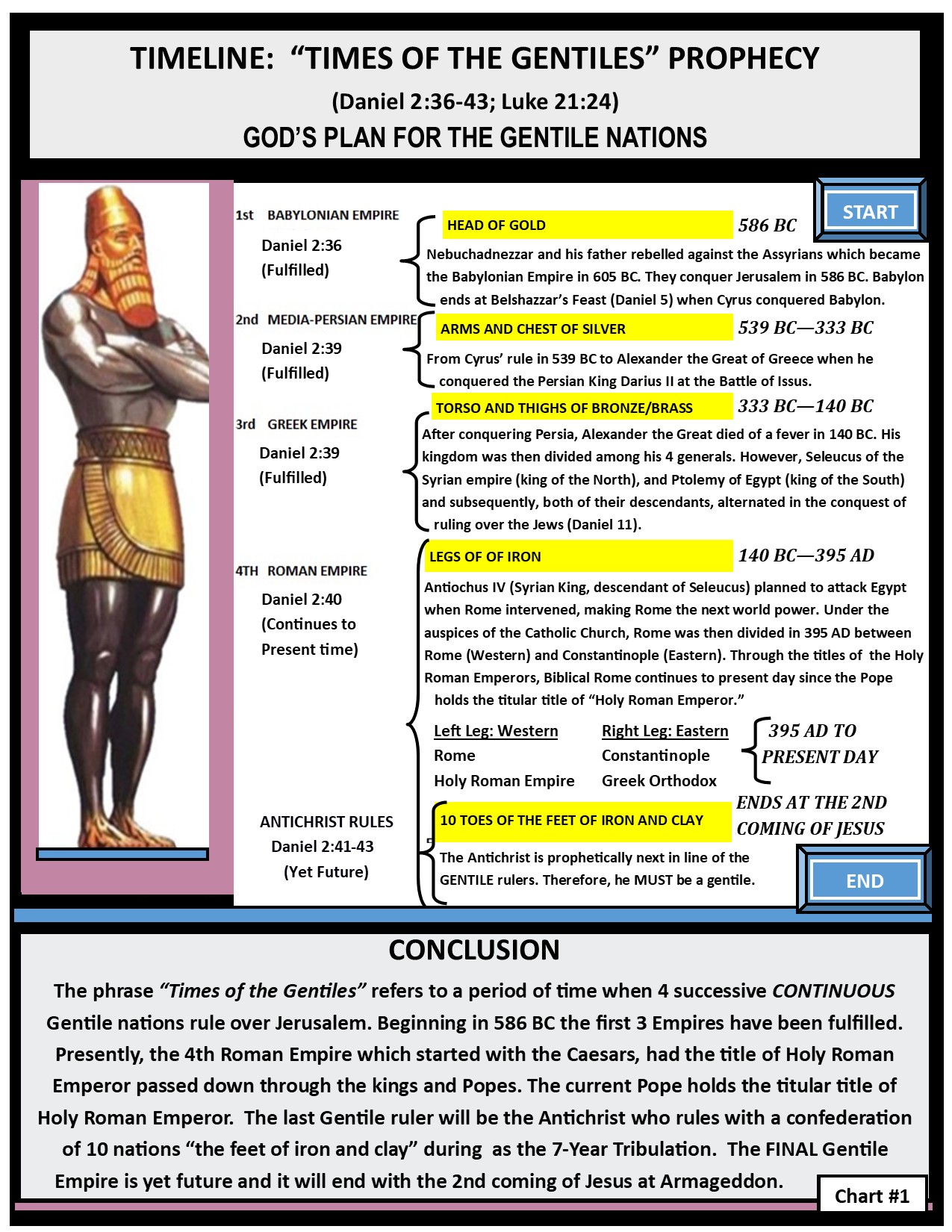
Note: For those experienced in the study of Daniel chapter 2 concerning Nebuchadnezzar’s statue demonstrating the kingdoms which would rise to dominate the Jews, Amphipolis would be considered the place where Alexander the Great, King of Macedon, prepared his campaigns leading to the downfall of the Persian Empire under Darius III.
Alexander met the Persian empire at the Battle of Gaugamela in 331 BC which made the transition from the arms and chest of silver (the Persians) to the torso of bronze (Greece: Alexander the Great). In 168 BC, 163 years after the Battle of Gaugamels, Rome replaces Greece as the global force.

Now, kingdoms are going to change again, from Greece to Rome with the Battle of Pydna.
In the Battle of Pydna on June 22, 168 BC, Rome succeeded Greece and all of Alexander’s empire.
Amphipolis, once Alexander the Great’s place of preparing his campaigns, then became the capital of one of the four mini-republics, which were created by the Romans.
Included in the activities of Rome in 168 BC Antiochus IV, king of Syria (included the entire Middle East to the border of India), was confronted by Rome as he pressed the siege of Alexandria in Egypt in order to gain control of Egypt. He was met by a Roman embassy represented by Polybius ordering him to cease and desist. Antiochus IV responded he needed to consult with his advisors whereupon Polybius drew a circle in the sand around him and insisted upon an answer before he stepped outside the circle in early July during the summer of 168 BC (on the Day of Elusis celebrated in Greece). Three days later Antiochus IV withdrew from Egypt and retreated back to Syria.
- Syria (included Iraq, Iran, Damascus, Israel, Turkey, Pakistan, and Afghanistan). Jerusalem was caught up in the wars between Egypt and Syria, being passed back and forth between Syria, and Egypt.
On the Day of Elusis, 168 BC, Rome confronted Antiochus IV, causing him to withdraw; as the Roman Empire rose to eminence.
- The Grecian Day of Elusis is a Cult festival. The official start of the festival period for the initiates was Boedromion 15th until 21-22nd. In 168 BC it is in early July.
From Babylon to the Medes and Persians, to Greece and Rome, all these gentile kingdoms ruled over the Jews.
 Quantum Study Bible
One response to “Topic: Pop Up – The History of Amphipolis from Acts 17 (Its Connection to Nebuchadnezzar’s Statue in Daniel 2) **”
[…] Note: For history buffs and those experienced in the study of Daniel chapter 2 concerning Nebuchadnezzar’s statue See Pop Up Topic: Amphipolis and Nebuchadnezzar’s statue. […]