
Words in italic type have been added for clarity. They are not found in the original Hebrew or Aramaic.
Psalm 103
What should I learn from this chapter?
- God’s Covenant
- God’s Miraculous Hebrew Letter “H”, “Behold!”
Praise for the Lord’s Mercies
A Psalm of David.
Psalm 103:1 Bless the Lord (yᵊhōvâ), O my soul;
And all that is within me, bless His holy name!
Psalm 103:2 Bless the Lord (yᵊhōvâ), O my soul,
And forget not all His benefits:
Psalm 103:3 Who forgives all your iniquities,
Who heals all your diseases,
Psalm 103:4 Who redeems your life from destruction,
Who crowns you with lovingkindness and tender mercies,
Psalm 103:5 Who satisfies your mouth with good things,
So that your youth is renewed like the eagle’s.
Psalm 103:6 The Lord (yᵊhōvâ) executes righteousness
And justice for all who are oppressed.
Psalm 103:7 He made known His ways to Moses,
His acts to the children of Israel.
Psalm 103:8 The Lord (yᵊhōvâ) is merciful and gracious,
Slow to anger, and abounding in mercy.
Psalm 103:9 He will not always strive with us,
Nor will He keep His anger forever.
Psalm 103:10 He has not dealt with us according to our sins,
Nor punished us according to our iniquities.
Psalm 103:11 For as the heavens are high above the earth,
So great is His mercy toward those who fear Him;
Psalm 103:12 As far as the east is from the west,
So far has He removed our transgressions from us.
The East circles to meet the West, and neither knows its end.
Like a tornado, sins become “Gone with the Wind”.
Psalm 103:13 As a father pities his children (bēn),
So the Lord (yᵊhōvâ) pities those who fear Him.
- “Father Pities”
- The Hebrew for “father pities” is “Av-raham” (Father-pities) or Ab-raham in English.
- God changed Abram’s name to Abraham, and he became the “Father of Faith”.
- The difference between Abram and Abraham is the addition of one single, Hebrew letter, the “Hey”, a letter that stands out among Hebrew letters as signifying a miraculous event, where a person is awestruck; it is translated “BEHOLD!”
- “yᵊhōvâ“ h3068
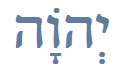 Hebrew Letters left to right: Hey (#5), Vav (#6), Hey (#5), Yod (#10).
 - Or by meaning of each Hebrew Letter, “Behold! Nail! Behold! Hand! =
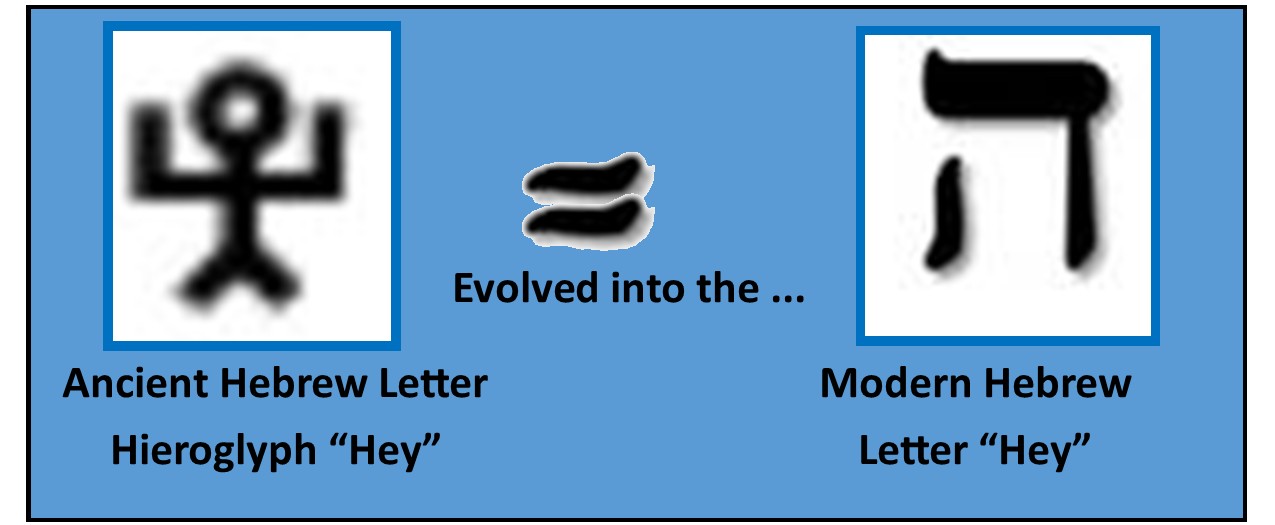 The most ancient letter “Hey” for “Behold” resembles a man on a cross; it also looks like a king on a throne, after all, there are two “Beholds” in God’s name.
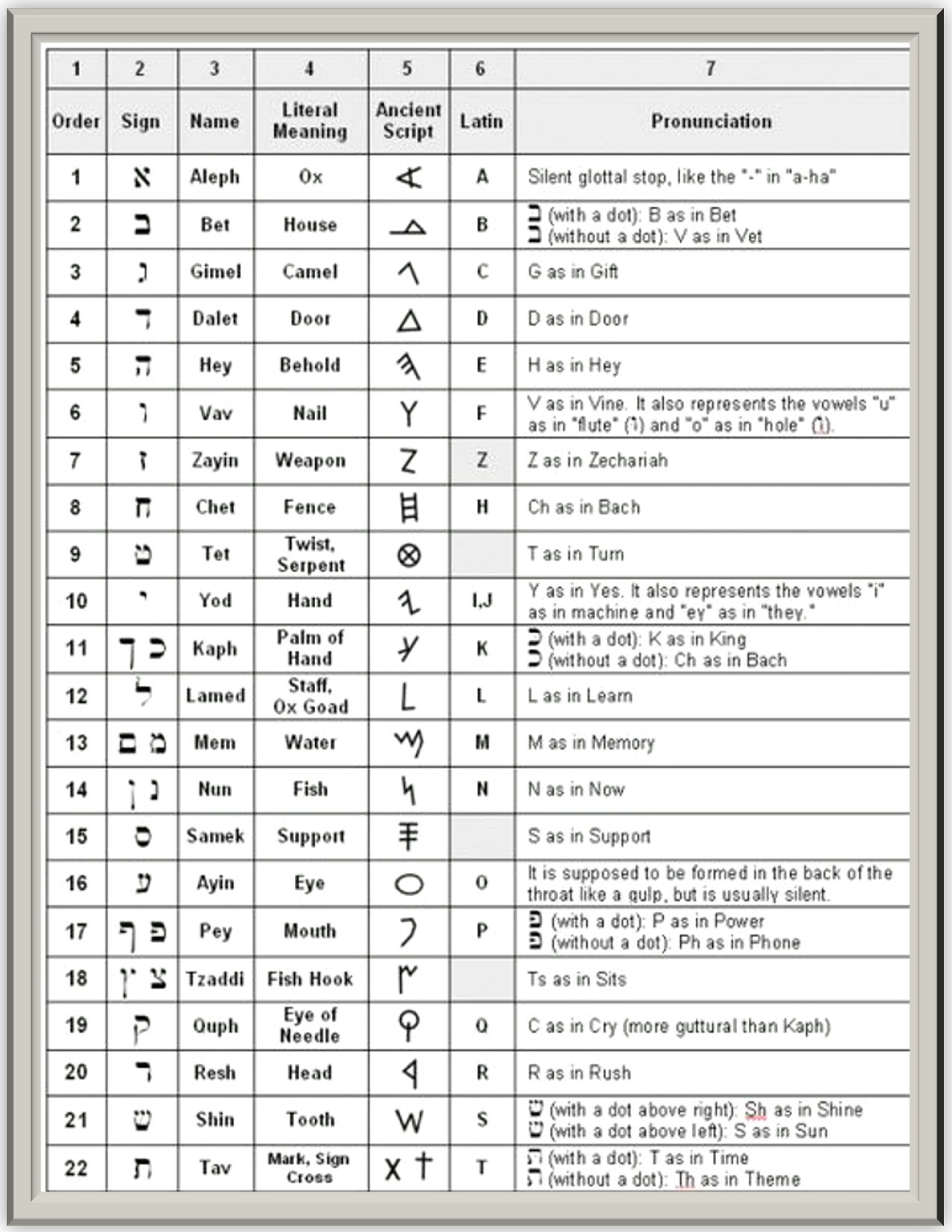
- Verification of meanings for each alphabet letter Below:
- The miraculous “H” added to Abram’s and Sarai’s names changes their names to Abraham and Sarah, which occurred with the prophecy of the conception of a “promised son”, Isaac.
The miraculous “H” occurs twice in “yᵊhōvâ‘s Name”.
Therein is another “conception miracle” of a “Promised Son”, Jesus is revealed in His hands and His nails.
Psalm 103:14 For He knows our frame (Understands our constitution);
He remembers that we are dust (clay).
Psalm 103:15 As for man, his days are like grass;
As a flower of the field, so he flourishes.
Psalm 103:16 For the wind passes over it, and it is gone (not),
And its place remembers it no more.
Psalm 103:17 But the mercy of the Lord (yᵊhōvâ) is from everlasting to everlasting
On those who fear Him,
And His righteousness to children’s children,
Psalm 103:18 To such as keep His covenant,
And to those who remember His commandments to do them.
Psalm 103:19 The Lord (yᵊhōvâ) has established His throne in heaven,
And His kingdom rules over all.
Psalm 103:20 Bless the Lord (yᵊhōvâ), you His angels (messengers),
Who excel in strength, who do His word,
Heeding the voice of His word.
Psalm 103:21 Bless the Lord (yᵊhōvâ), all you His hosts,
You ministers (servants) of His, who do His pleasure.
Psalm 103:22 Bless the Lord (yᵊhōvâ), all His works,
In all places of His dominion.
Bless the Lord (yᵊhōvâ), O my soul!
{1 of 2} Psalm 103 – “Covenant”
{2 of 2} Psalm 103 – “The Father’s Pity”

